
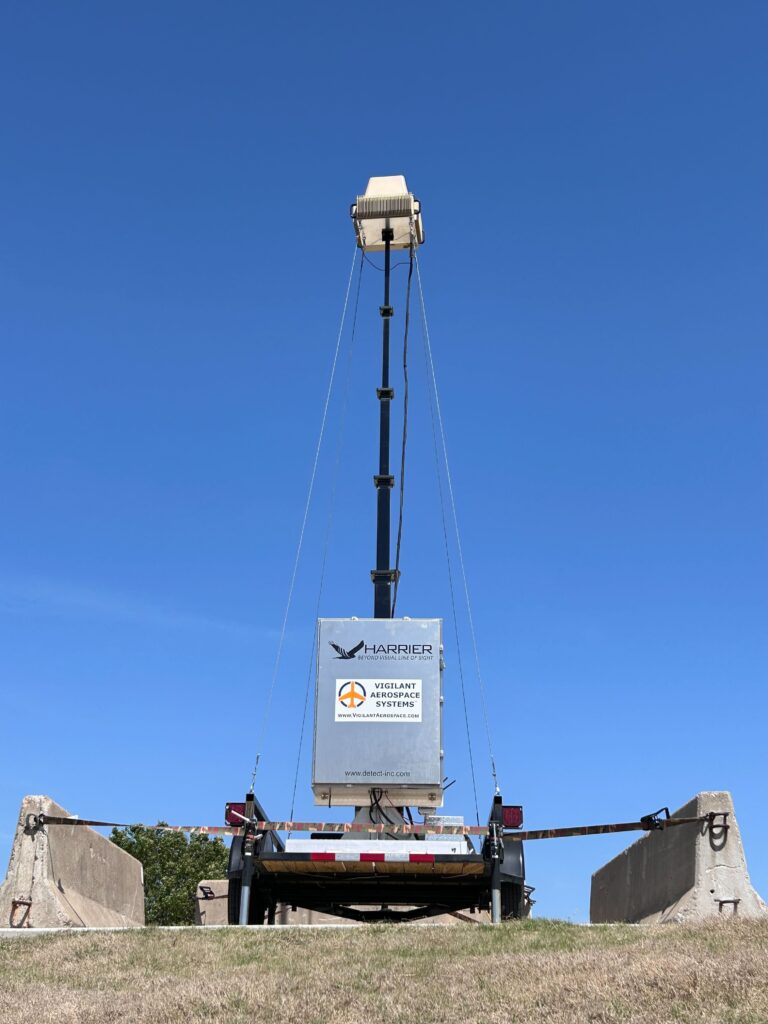
Vigilant Aerospace Systems has deployed an integrated airspace awareness capability at Skyway Range in Oklahoma, formerly known as Skyway36. The work combines ground-based radar, Automatic Dependent Surveillance–Broadcast (ADS-B) In, and Remote ID data within the FlightHorizon TEMPO Airspace Management system.
The integration adds real-time radar tracking using a DeTect 7360 advanced 3D digital radar system. It also incorporates ADS-B in data for cooperative aircraft detection and Remote ID awareness using a FlightHorizon ALERT receiver to track nearby uncrewed aircraft systems (UAS). Together, these data sources provide a unified operational picture for research, testing, and evaluation activities at the range, all on a single screen.
The new radar and remote ID integration is a continuation of a 2-year FlightHorizon TEMPO pilot project with Skyway Range. Skyway Range supports advanced uncrewed aircraft systems (UAS) and Advanced Air Mobility (AAM) operations across diverse airspace environments in Oklahoma. The updated FlightHorizon deployment enhances situational awareness for operators while supporting complex test and demonstration scenarios.
The deployment reflects ongoing collaboration between Vigilant Aerospace and Skyway Range to enhance airspace data collection and visualization. The work builds on prior integration efforts and supports the range’s mission to enable advanced UAS and AAM operations. Vigilant Aerospace CEO Kraettli L. Epperson said,
“This upgrade marks a major milestone in our partnership with Skyway Range. It enables some of the most advanced autonomous flight operations to be tested here in Oklahoma, continuing to lead the country in advanced aviation operations for public, commercial and military advantage.”
Integrated Airspace Awareness
The deployed system combines multiple surveillance inputs into a single operational view. Radar data supports detection and tracking of both cooperative and non-cooperative aircraft. while ADS-B In adds identification, position, and velocity data for transponder-equipped aircraft operating in the area.
Randall Burke, Executive Director of Skyway Range spoke about how the integration has contributed to the droneport, saying in part,
“In 2025 Vigilant has supported Skyway Range Operations Center with the integration of their DeTect Radar and Flight Horizon ALERT Receiver for remote ID, enabling safe integration of drones and crewed aircraft at the Skyway36 Droneport.”

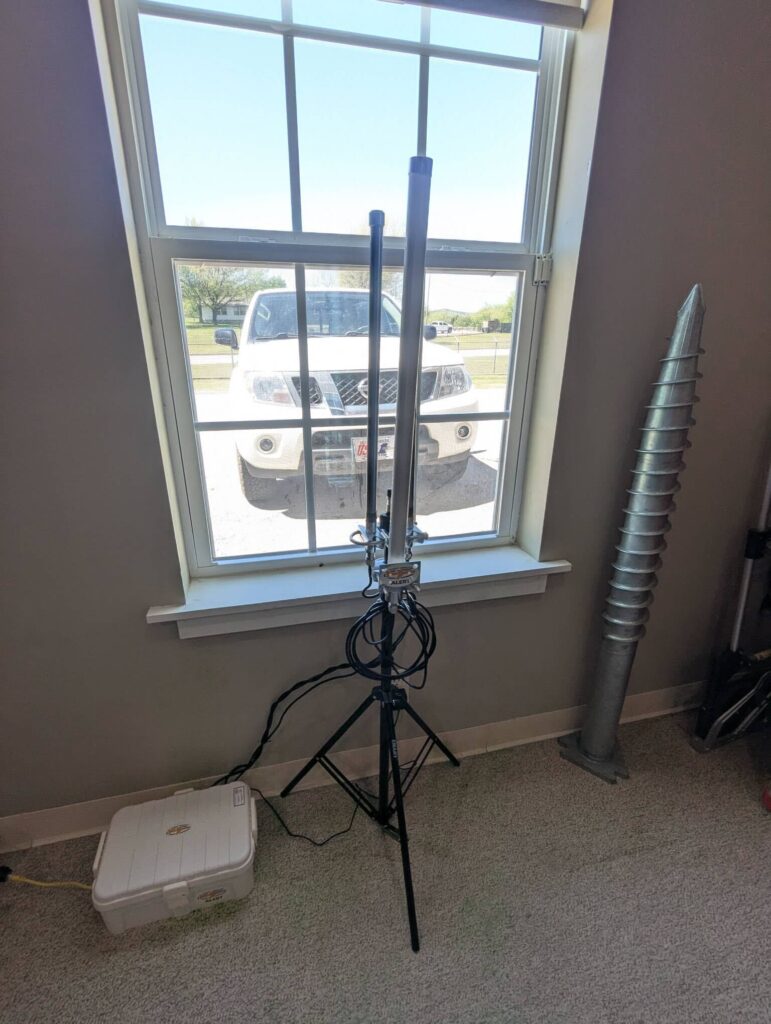
Remote ID detection has also been added using a FlightHorizon ALERT receiver to increase awareness of nearby UAS activity. This capability supports monitoring of compliant drone operations under current Federal Aviation Administration (FAA) requirements.
FlightHorizon ALERT also provided continuous monitoring of local air traffic at Skyway Range. The system supports real-time awareness of both crewed aircraft and nearby drones using integrated ADS-B in and Remote ID detection, with automated alerts when traffic entered the operating area. FlightHorizon Alert allows post-operation analysis by logging airspace activity for safety review, compliance documentation, and coordination during BVLOS and mixed-traffic test events.
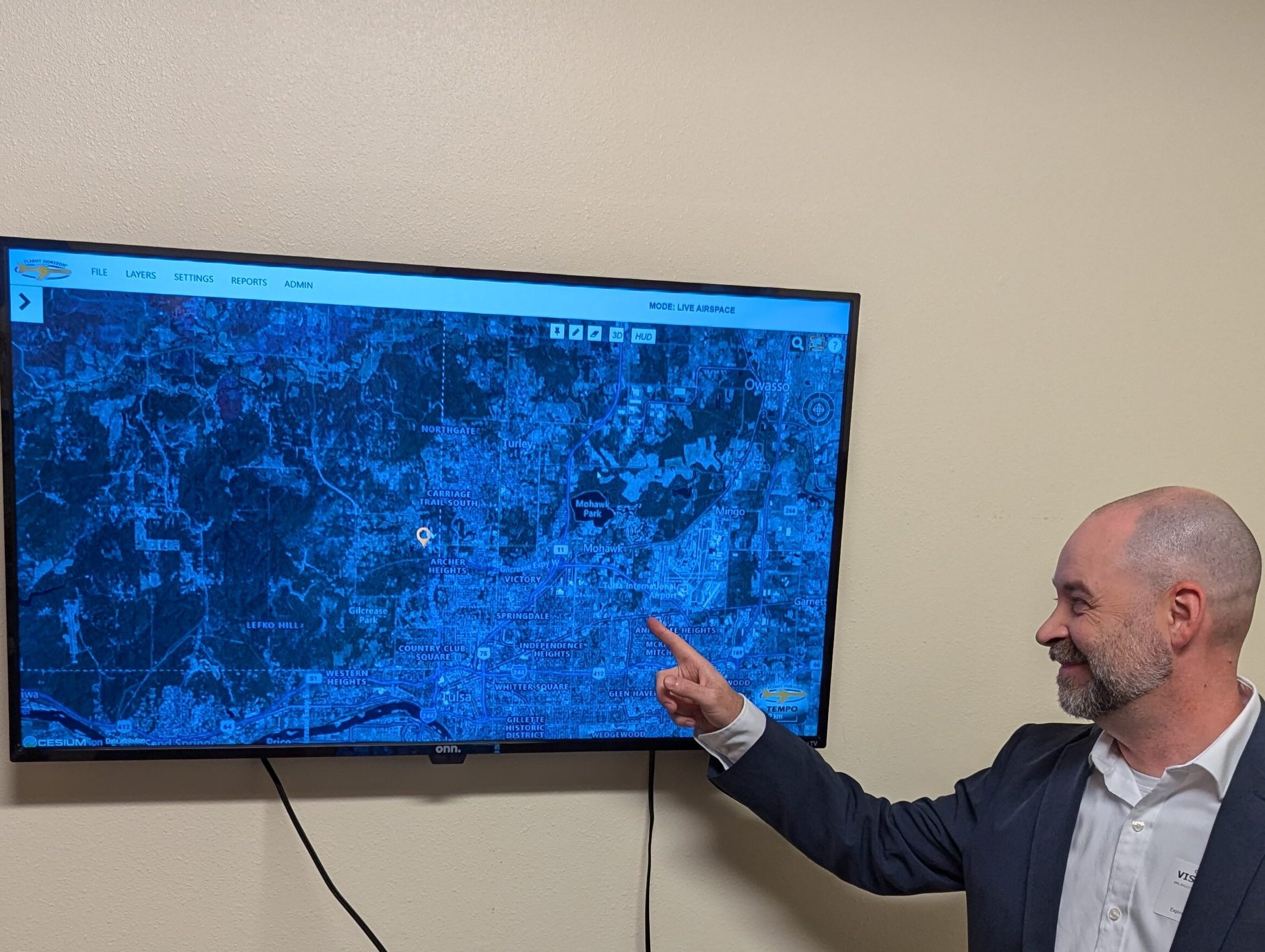
FlightHorizon TEMPO fuses the radar, ADS-B In, and Remote ID inputs into a common interface. Operators can view crewed aircraft, uncrewed aircraft, and other airspace users without managing separate systems and independent screens. The system is cloud-based, allowing for viewing and access anywhere an operator is located. This integration supports more efficient range operations and improved airspace oversight.
The system supports both localized and wider-area monitoring. This flexibility is important for evaluating new aircraft, operational concepts, and detect-and-avoid functions under realistic conditions.
The architecture also allows for future expansion. Additional sensors and data feeds can be incorporated as testing requirements evolve, supporting Skyway Range’s role as a long-term research and operations facility.
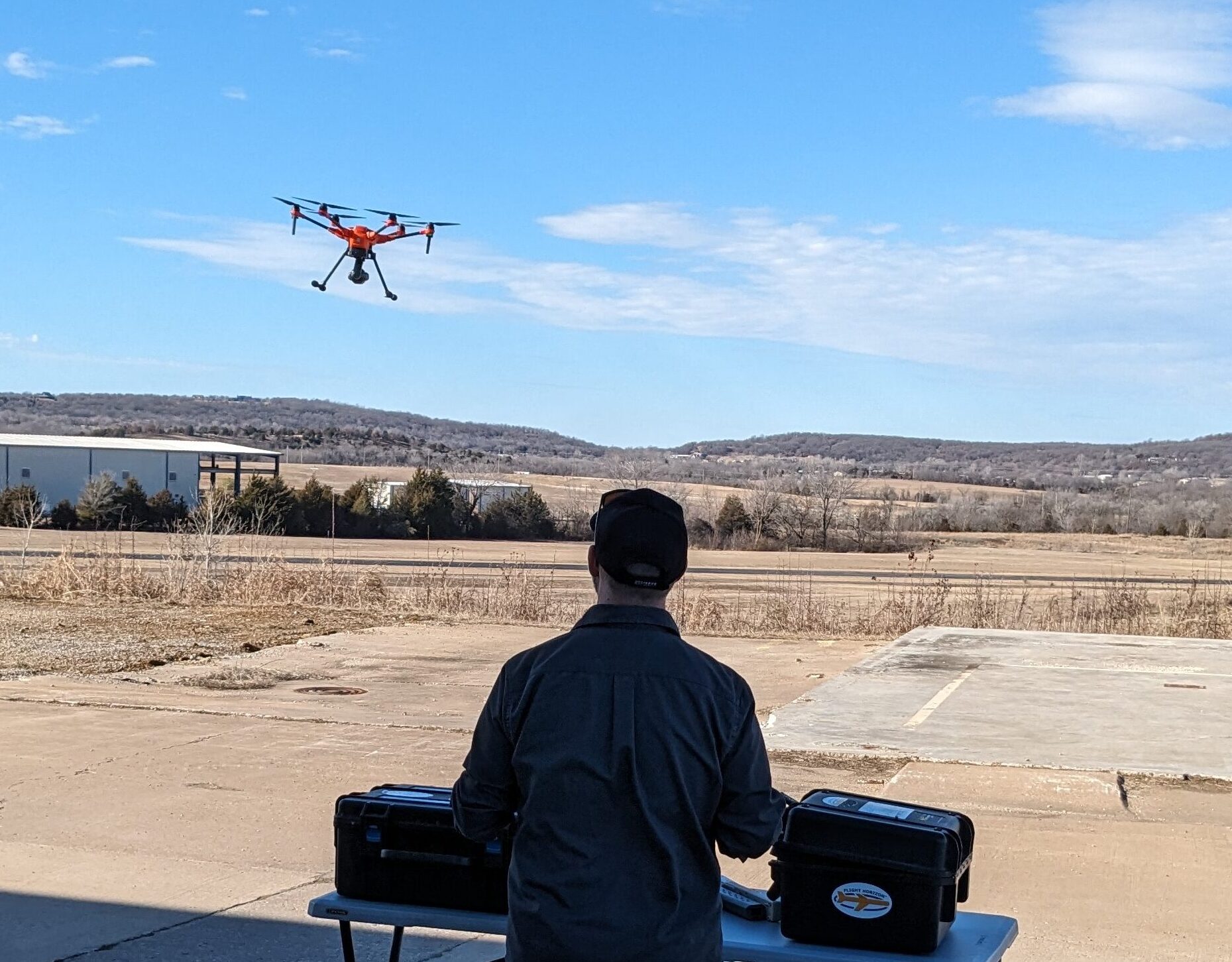
Skyway Range is used for a wide range of operational and research flights. These include beyond visual line of sight (BVLOS) operations, sensor evaluations, and autonomy demonstrations. The integrated surveillance system supports these activities by extending airspace visibility beyond onboard sensors alone.
Ongoing Collaboration
The deployment reflects ongoing collaboration between Vigilant Aerospace Systems and Skyway Range to improve airspace data collection and visualization for advanced flight operations. The integration builds on earlier work supporting DAA research and mixed crewed and uncrewed operations at the range. Together, the organizations are focused on enabling scalable UAS and Advanced Air Mobility testing under realistic operating conditions.
About Skyway Range
Skyway Range is an uncrewed aircraft systems and Advanced Air Mobility test range in Oklahoma that supports beyond visual line of sight operations, research flights, and technology demonstrations. The range provides controlled access to diverse rural and urban airspace environments for government, industry, and academic partners.
 Vigilant Aerospace is the leading developer of multi-sensor detect-and-avoid and airspace management software for uncrewed aircraft systems (UAS or drones). The company’s product, FlightHorizon, is based on two NASA patents and uses data from multiple sources to display a real-time picture of the air traffic around a UAS and to provide automatic avoidance maneuvers to prevent collisions. The software is designed to meet industry technical standards, to provide automatic safety and to allow UAS to safely fly beyond the sight of the pilot. The software has won multiple industry awards and the company has had contracts and users at NASA, the FAA, the U.S. Department of Defense and with a variety of drone development programs. Visit our website at www.VigilantAerospace.com