

Oklahoma City, OK (2026) – Vigilant Aerospace Systems has been awarded a new $1M year-long project to develop a civilian version of the company’s award-winning onboard collision avoidance system for drones. The onboard “detect-and-avoid” (DAA) system was initially developed for the US Air Force Research Lab. The project is funded in part through the Industry Innovation Program at the Oklahoma Center for the Advancement of Science and Technology (OCAST).
The project will continue development of FlightHorizon PILOT, the company’s onboard multi-sensor DAA system. DAA is the capability for an uncrewed drone to detect and track other aircraft and generate an avoidance command to maintain safe distances. The project aims to develop a smaller, highly modular and commercially priced version suitable for all sizes of civilian uncrewed aircraft systems (UAS) to support the increasing variety of commercially operated drones in the U.S. Future users will also include Advanced Air Mobility (AAM) vehicles, like air taxis. Vigilant Aerospace CEO Kraettli L. Epperson talked about what this project is working towards, saying,
“Vigilant is grateful for this opportunity to bring our onboard detect-and-avoid technology to a larger number of users. By modifying our US Air Force system to be smaller and lower cost and validating it on a number of small uncrewed aircraft under this program, we expect to be able to bring autonomous safety to the vast majority of commercial drones operating in the United States,”
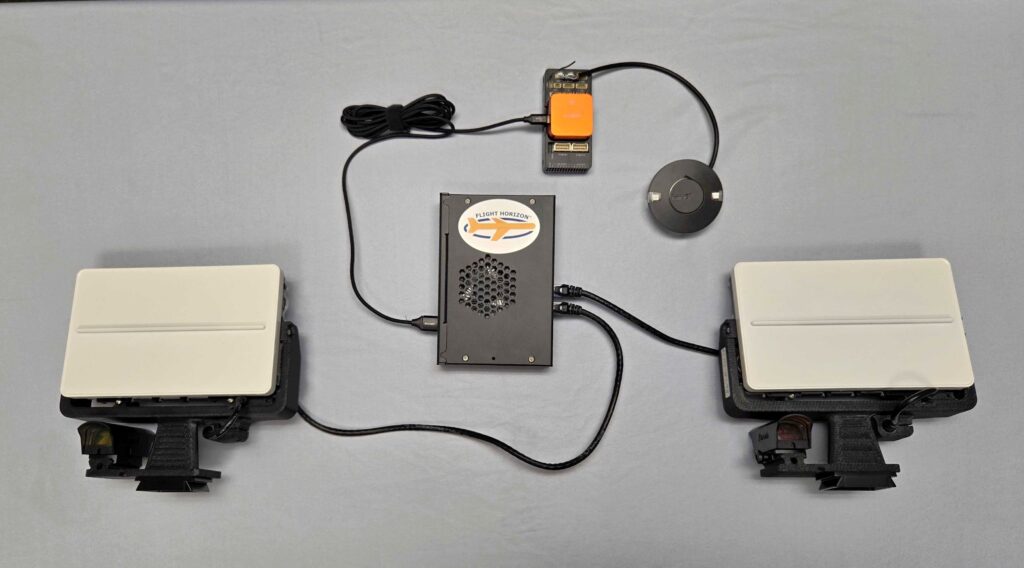
FlightHorizon PILOT addresses a critical industry need for a complete onboard DAA system that is standards compliant and aircraft agnostic. Onboard DAA capabilities are increasingly critical for scaling BVLOS operations. The recent FAA draft rules for routine drone flight beyond the visual line of sight (BVLOS) of the pilot require standards-based safety systems to be usable and to scale the autonomous aircraft industry.
The DAA system is based on two licensed NASA patents and can utilize aircraft transponders (ADS-B In) and small onboard radars. It is intended to help drones fly safely over long distances for missions like search and rescue, fire and disaster response, emergency deliveries and other purposes.
Collaboration with OSU’s Oklahoma Aerospace Institute for Research and Education (OAIRE)

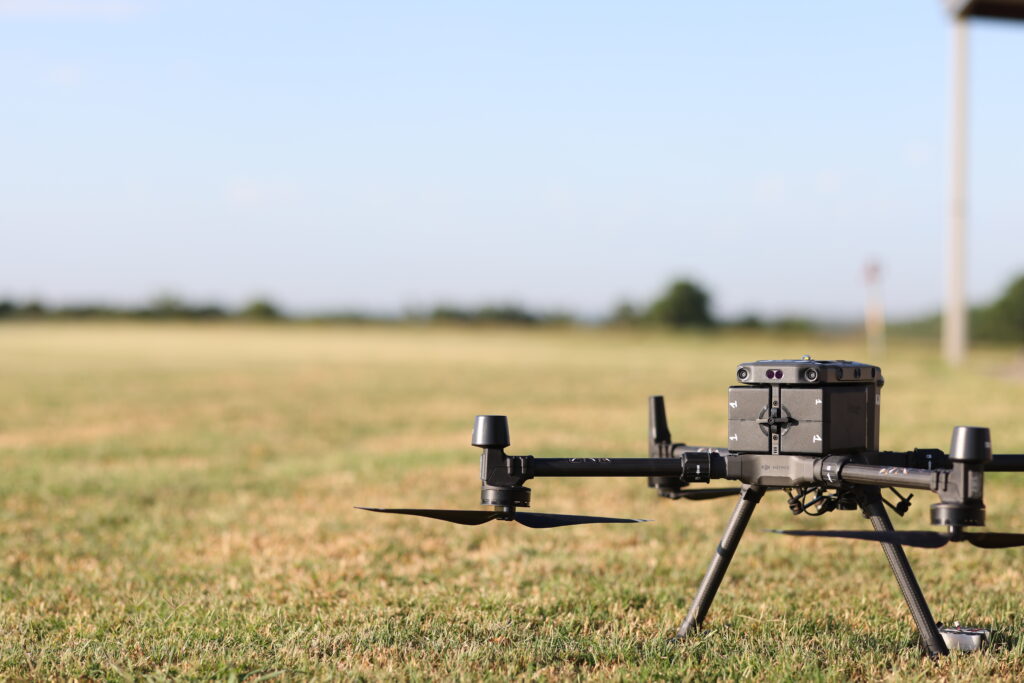
The project will be completed with research partner Oklahoma Aerospace Institute for Research and Education (OAIRE) at Oklahoma State University. OAIRE is providing engineering support and flight testing at the OSU Uncrewed Aircraft Flight Station. OAIRE coordinates OSU’s uncrewed aerospace research, flight testing, and industry engagement activities. Flight testing will leverage OSU’s facilities and existing flight approvals and data collected will support system validation and refinement on new platforms and in support of industry technical standards.
The collaboration continues a multi-year working relationship between Vigilant Aerospace and OSU focused on DAA technologies, airspace integration, and BVLOS safety.
OCAST: Supporting Oklahoma’s Aerospace Innovation Ecosystem
OCAST’s Industry Innovation program provides funding to Oklahoma companies for R&D and commercialization of new technologies with potential economic impact on the state in sectors like aerospace, autonomous systems, biotechnology, and energy technology. Vigilant’s new project award aligns with Oklahoma’s broader strategy to support aerospace innovation and autonomous systems development. OCAST’s investment supports technical capability growth, workforce development, and the advancement of safety technologies relevant to future uncrewed and autonomous aviation operations. Vigilant Aerospace CEO Kraettli L. Epperson spoke on the valuable role OCAST plays in the aerospace industry,
“We appreciate that OCAST is making strategic investments in the development of critical aviation technology, supporting the industry in Oklahoma and making this decision at a crucial juncture in the evolution of the autonomous aviation industry,”
About the Oklahoma Center for the Advancement of Science and Technology (OCAST) Industry Innovation Program
The Oklahoma Center for the Advancement of Science and Technology is a state agency that supports technology-based economic development in Oklahoma through applied research and commercialization programs. Through initiatives such as its Industry Innovation program, OCAST provides contract funding for industry-led research and development projects and university partnerships that advance technical innovation and support the transition of new technologies toward commercial use.
About Oklahoma Aerospace Institute for Research and Education (OAIRE)
The Oklahoma Aerospace Institute for Research and Education is an institute within Oklahoma State University that coordinates aerospace research, testing, and workforce development initiatives. OAIRE supports partnerships among academia, industry, government, and the military, with a focus on uncrewed systems, advanced air mobility, flight testing, and aerospace systems integration.
 Vigilant Aerospace is the leading developer of multi-sensor detect-and-avoid and airspace management software for uncrewed aircraft systems (UAS or drones). The company’s product, FlightHorizon, is based on two NASA patents and uses data from multiple sources to display a real-time picture of the air traffic around a UAS and to provide automatic avoidance maneuvers to prevent collisions. The software is designed to meet industry technical standards, to provide automatic safety and to allow UAS to safely fly beyond the sight of the pilot. The software has won multiple industry awards and the company has had contracts and users at NASA, the FAA, the U.S. Department of Defense and with a variety of drone development programs. Visit our website at www.VigilantAerospace.com